How Equipment Reliability Shapes the Success of Industrial Businesses
- 24 Aug 2026
- Articles
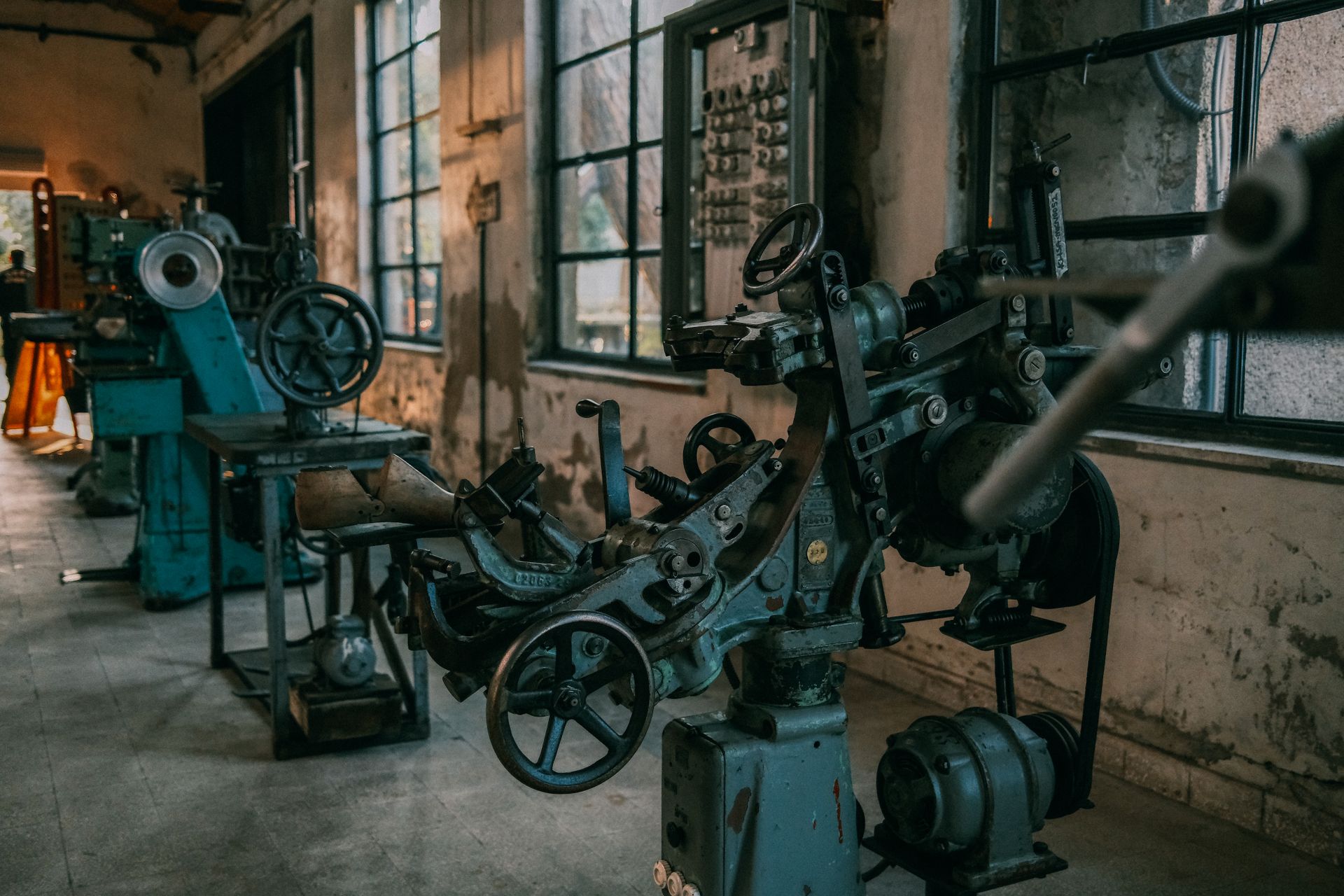
Photo by Sami TÜRK
For businesses operating in manufacturing, construction, mining, and other industrial sectors, equipment is more than a collection of assets. Machinery directly influences productivity, operating costs, workplace safety, and the ability to meet customer expectations. When critical equipment fails unexpectedly, the consequences can extend well beyond the repair bill, potentially disrupting schedules and reducing output.
As a result, industrial businesses are placing greater emphasis on equipment reliability and proactive maintenance. Understanding how machinery decisions affect wider business performance can help companies build more resilient operations while controlling avoidable costs.
The Business Cost of Unplanned Downtime
Unexpected equipment failures can interrupt production at precisely the wrong moment. A single malfunction may require emergency repairs, delay orders, create scheduling problems, and leave employees unable to perform their normal responsibilities.
According to Siemens' The True Cost of Downtime report, unplanned downtime costs industrial companies an estimated $864 billion annually across the Fortune Global 500 industrial companies. These figures demonstrate why maintenance decisions should be considered part of business strategy rather than simply an operational concern. Preventing avoidable failures can protect both productivity and revenue.
Maintenance Is a Strategic Investment
Historically, some businesses approached maintenance primarily as a response to equipment problems. However, preventive and predictive approaches can allow companies to identify potential failures before they cause major disruption.
Preventive maintenance involves scheduled inspections, servicing, and replacement of components according to established intervals. Predictive maintenance takes this further by using information such as vibration, temperature, pressure, or operating conditions to identify signs of deterioration.
The appropriate strategy depends on the machinery, operating environment, and consequences of failure. Nevertheless, both approaches encourage businesses to think beyond immediate repair costs and consider the total lifecycle of their equipment.
Choosing Equipment for the Job
Maintenance can only go so far if machinery is poorly suited to its operating environment. Businesses need to consider factors such as workload, material characteristics, operating conditions, replacement-part availability, and expected service life before investing in equipment.
This is particularly relevant for businesses handling demanding materials or high-volume industrial processes. Selecting appropriate crushing solutions can influence throughput, maintenance requirements, and the longevity of associated machinery, making equipment selection an important part of operational planning rather than a purely technical decision.
Spare Parts and Supply Chain Resilience
Equipment reliability also depends on having access to the right replacement components when they are needed. A relatively inexpensive component can still create significant disruption if it causes a critical machine to remain out of service for several days.
For this reason, businesses are increasingly evaluating suppliers based on factors beyond purchase price. Availability, lead times, technical compatibility, product quality, and supplier responsiveness can all influence the real cost of maintaining industrial equipment.
Maintaining appropriate inventories of critical components can also reduce exposure to supply chain disruptions, although businesses must balance availability against the cost of holding excess stock.
Technology Is Changing Maintenance
Digital technologies are giving industrial businesses greater visibility into equipment performance. Sensors and connected systems can continuously collect operational data, allowing maintenance teams to identify unusual patterns and investigate potential problems earlier.
Predictive maintenance can provide a 10-fold increase in return on investment, while reducing maintenance costs by 25% to 30%. As these technologies become more accessible, smaller businesses may also find opportunities to adopt data-driven maintenance without investing in complex industrial systems.
Endnote
Reliable equipment supports reliable business performance. By treating machinery as a long-term operational investment rather than an unavoidable expense, industrial companies can reduce disruption, make better purchasing decisions, and create more resilient operations capable of adapting to changing demands.