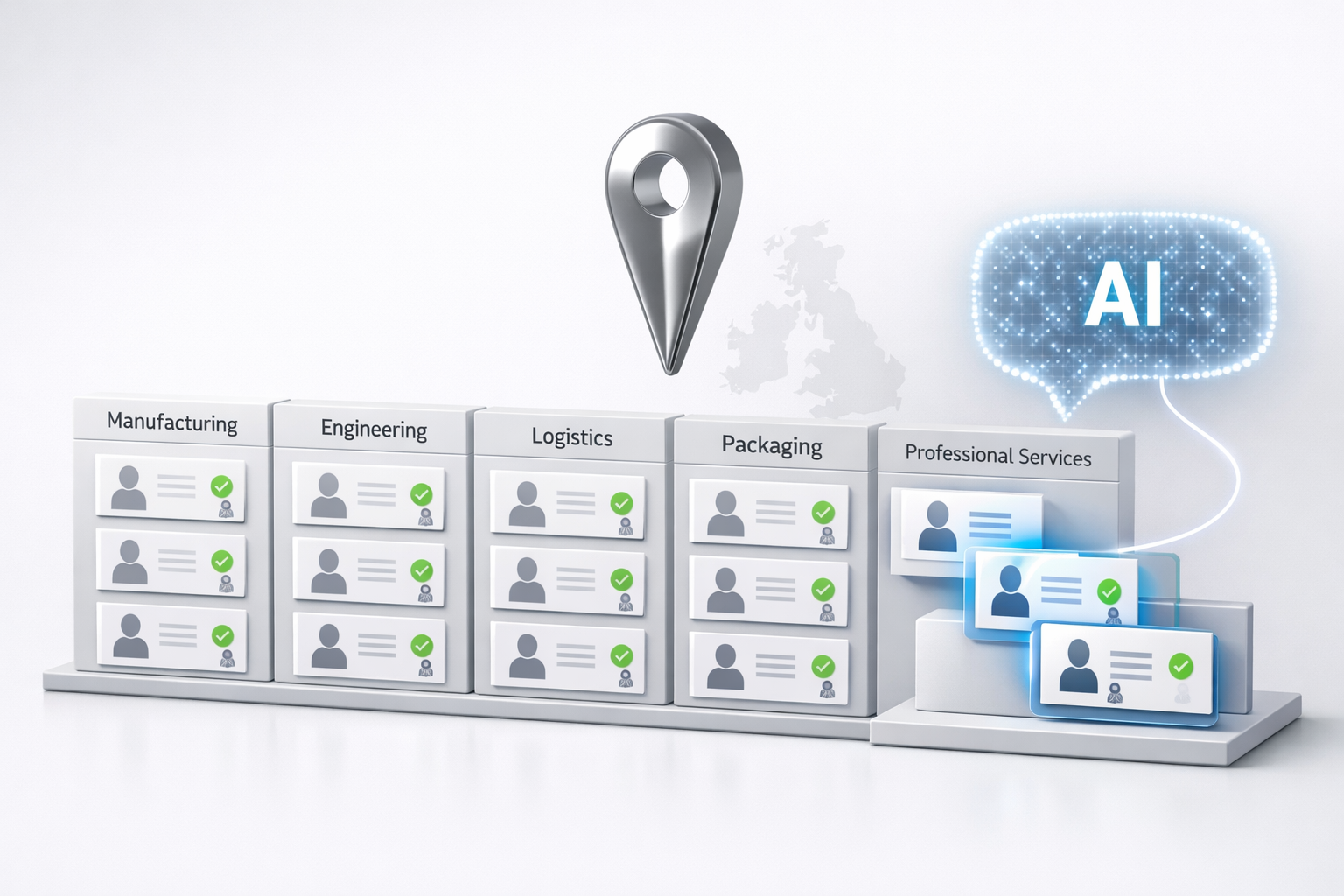
How Boosting Services Became a Legitimate Online Business Model
- 26 May 2026
- Articles
Gaming has become one of the largest entertainment economies in the world. And it keeps growing. Inside that broader market sits a smaller, less-discussed economy: the market for in-game services. Boosting, also known as paying skilled players to complete content on your behalf or alongside you, has developed from an informal arrangement into a structured industry. World of Warcraft is its most developed case study.
The Problem That Created the Market
World of Warcraft's average player is 28-35 years old. That number matters. A 31-year-old who works full-time, has a family and other things going on, plays differently than a 19-year-old university student with free nights. This is not taken into account by the game. The endgame in WoW is not something that can be accessed competitively without hundreds of hours of progression. Certain cosmetic rewards, titles, and achievements are time-limited, disappearing permanently at the end of a season.
The outcome is a mismatch in structure. Millions of players have the funds and motivation to interact with endgame content. They are not afforded the time. That gap is a market. It does not need a platform to be built. It only needs two parties with complementary needs.
From Informal Help to Structured Service
The first type of boosting was in trade talk. One would say they needed help with a dungeon. Another would offer to do it for gold. There were no guarantees, recourse, or accountability. The deal was good when both parties were honest. And it wasn't when they weren't.
In the subsequent years, this informal system became professional. Dedicated websites came into existence to connect buyers with a group of expert players. One obvious instance of that matured structure is Wowvendor. Handshake deals in a chat channel were replaced by scheduling tools, secure payment processing, and customer support. Services were segmented; deliverables and completion guarantees were put in place.
The Business Model in Practice
The basic concept of a boosting platform is a two-sided marketplace between supply and demand. One side is buyers, the players with money to spare and time to spend. On the other side are boosters, those who are skilled players and make money from their knowledge and time. The platform acts as an intermediary in the middle, taking care of acquisition, matching, quality control, and dispute resolution.
The mechanics resemble Fiverr or Upwork more than they resemble a traditional gaming company. The platform does not deliver the service itself. It verifies the quality of the providers, structures the service into purchasable products, and manages the trust infrastructure that makes transactions between strangers reliable. The margin comes from the spread between what buyers pay and what boosters earn.
The difference between WoW boosting and other freelance marketplaces is the recurrence of the demand. Blizzard also introduces new content on a seasonal schedule, new tiers in raids, new Mythic+ seasons, new PvP brackets, etc. Progression resets and new demand are generated with each cycle. Those who buy a raid clear in one tier get it back in the next. A loyal WoW player is a much more valuable customer than a one-time service buyer. Thus, the sites that keep the WoW player around the clock between seasons can capture revenue that compounds.
Why WoW Is the Dominant Category
World of Warcraft has three features that make it the most commercially developed segment of the boosting market.
- The progression system is deliberate and steep. Blizzard is making endgame content time-consuming. This is not a bug, but rather the way the game is designed, the difference between a casual player and an endgame-ready character. Boosting services helps to fill that gap.
- Time-limited cosmetics instill urgency. Items such as mounts, titles, or appearances that are acquired during a season are lost forever at the end of that season. If a buyer desires a specific reward, they have a specific timeframe to buy. Deadlines and scarcity are among the most sure-fire purchase motivators in any commercial market.
- WoW has an established base of professional-level players. The game has 7.25 million subscribers, and the average player age is 31, which is a two-sided market with real liquidity. Prices are stable, and service quality can be maintained at scale because enough skilled players are willing to boost, and enough buyers are willing to pay.
Lessons for Online Business Owners
WoW boosting economics are not limited to the gaming world. Four principles can be gleaned.
- Niche depth is more successful than niche breadth. Platforms dedicated to WoW are better than general gaming service sites because they know what their customers need, when they need it, and what they are looking for. Specialist coverage of a high-value niche is better than general coverage of lots of niches.
- Recurring demand is a business model and not a bonus. WoW's patch cycle is automatic re-engagement. Any business that can relate its service to an external event that repeats itself regularly, such as a fiscal calendar, a regulatory cycle, or a product release schedule, has the same structural advantage.
- The result is a trust infrastructure. A third party is the one that provides the actual service in a boosting transaction. The confidence that the platform is selling is that the booster will deliver, that payment is safe, and that disputes will be settled. Marketplace businesses are either successful or unsuccessful depending on their ability to create trust between strangers.
- Expertise is productizable. Advanced players turned their expertise into a marketable product by creating deliverables that have definite results. The same holds for any field in which knowledge is not equitably shared, and the difference between expert and non-expert has measurable value.
These are all universal rules of the game. They outline the circumstances under which any niche marketplace can grow into a viable business.
Conclusion
WoW boosting is not a grey market phenomenon. It is a marketplace business that is based on a real supply-demand imbalance, fueled by repeat seasonal demand, and professionalized with trust infrastructure. The business mechanics are the same as any other platform that matches skilled service providers to time-bounded buyers. That is what makes it worth studying outside of the realm of gaming.