6 Unusual Asian Sports That Defy Expectations
- 04 Nov 2026
- Articles
Think rugby scrums look chaotic? Japan has a sport where dozens of people charge towards a wooden pole while defenders desperately try to keep it upright. Elsewhere in Asia, horse riders wrestle over animal carcasses, athletes perform bicycle kicks above volleyball nets, and footballers chase a coconut on fire. These are actual sporting traditions with rules, referees and devoted fans!
Asia has given the world some of its most fascinating athletic contests, many of which developed centuries before modern stadiums existed. Some demand extraordinary flexibility, others test strength or courage, and a few look ridiculous until you understand their history. Here are six sports worth discovering, especially if ordinary football and tennis no longer provide enough surprises.
Six Extraordinary Sports Born in Asia
Each of these games reflects something about its birthplace, from Japan's emphasis on teamwork to Central Asia's nomadic horse culture. Although their rules seem bizarre to newcomers, competitors take them seriously. Several even appear at international sporting festivals, where athletes represent their countries with considerable pride. British fans interested in betting on these unusual competitions might come across non-GamStop sportsbooks, as mainstream UK bookmakers rarely offer odds on such niche events.
Bo-Taoshi: Japan's Human Avalanche

150 people on each team, with half defending a wooden pole while the other half attempts to bring down the opposition. That's the traditional format of bo-taoshi, a Japanese sport whose name translates roughly as pole-toppling. At the National Defence Academy, cadets form human barricades while attackers scramble over shoulders and backs to reach the pole.
One defender even guards it from the top! Matches last just two minutes, so teamwork matters more than brute force. The academy's updated 2026 competition reduced team sizes to a maximum of 135 participants.
Buzkashi: Polo With a Carcass
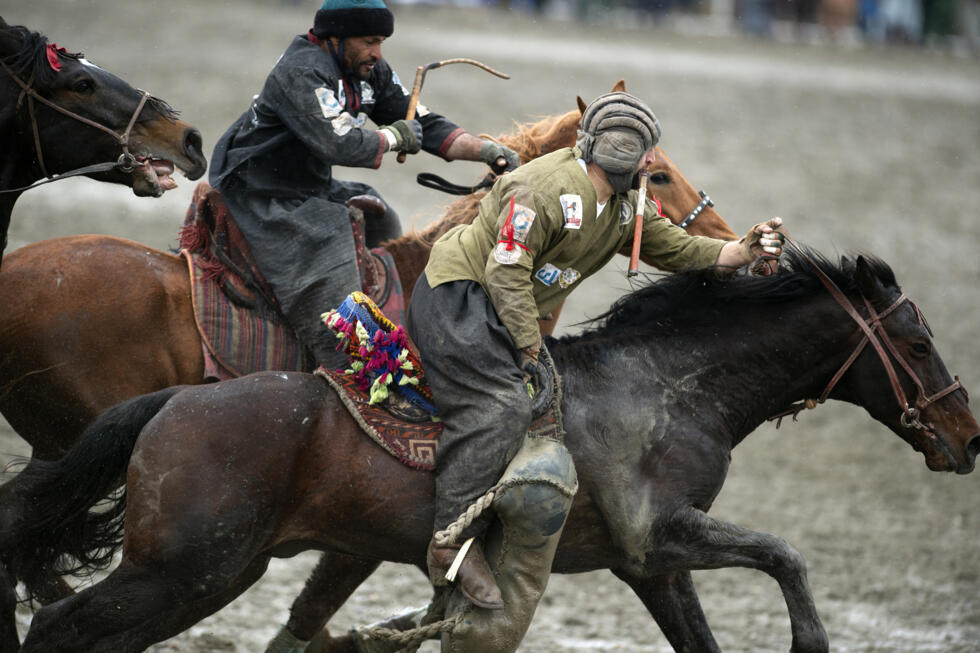
Polo uses a ball and mallets. Buzkashi takes a very different approach: riders compete to seize a headless goat or calf carcass and carry it towards a scoring area. The sport developed among Central Asian horsemen and remains popular in Afghanistan, Kazakhstan, Kyrgyzstan and neighbouring countries.
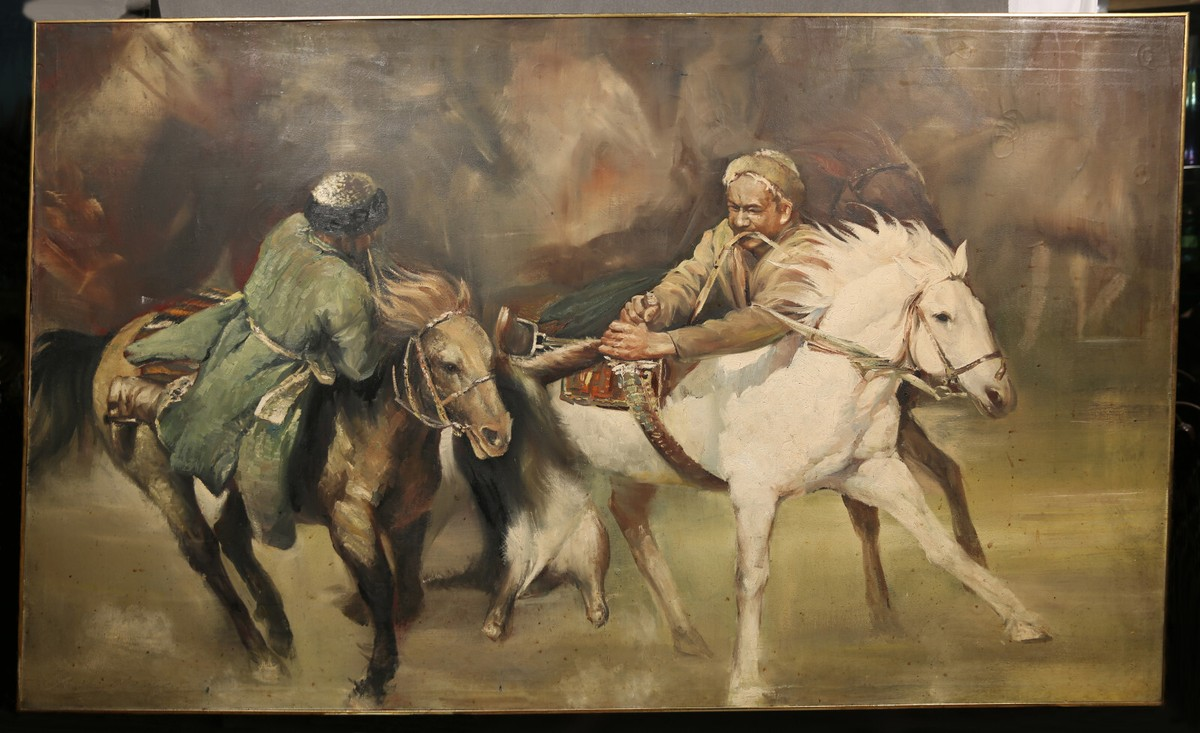
19th Century Afghanistan Buzkashi Depiction
Competitors must control their horses while wrestling a heavy object away from rivals, often at considerable speed. In organised Kyrgyz kok-boru, four riders per team compete at once, and some modern versions use an artificial replacement instead of animal remains.
Kabaddi: Tag Meets Wrestling
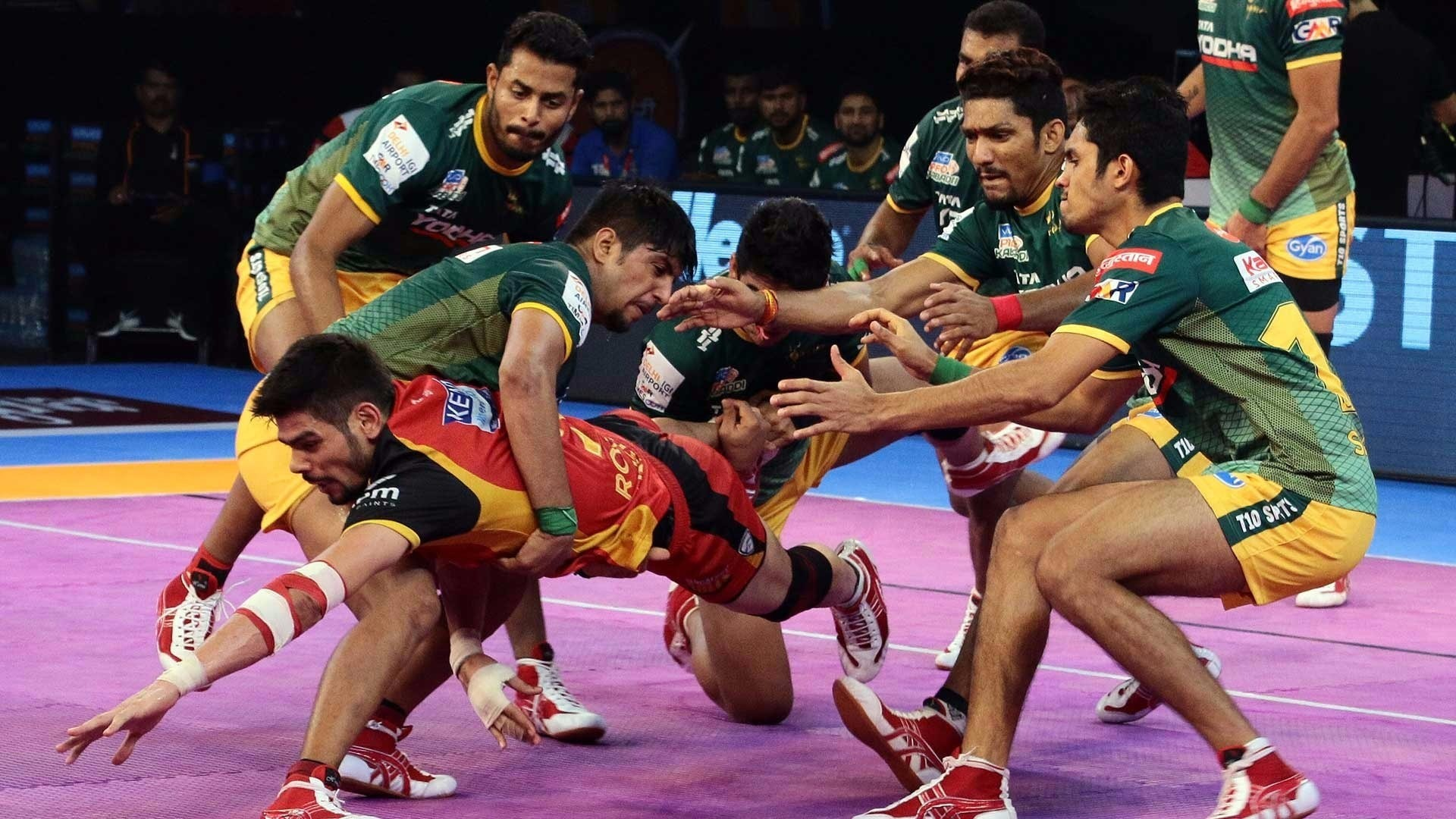
Remember the childhood game of tag? Now imagine seven defenders trying to tackle you before you can escape. That's the basic idea behind kabaddi, a contact sport with deep roots in South Asia, especially India. A player called the raider enters enemy territory, attempts to touch opponents and must return to safety within 30 seconds. Traditional rules also require a continuous chant of "kabaddi" on one breath. Defenders can surround and hold the raider, turning each attack into a contest of quick decisions, balance and strength.
Sepak Takraw: Volleyball Without Hands
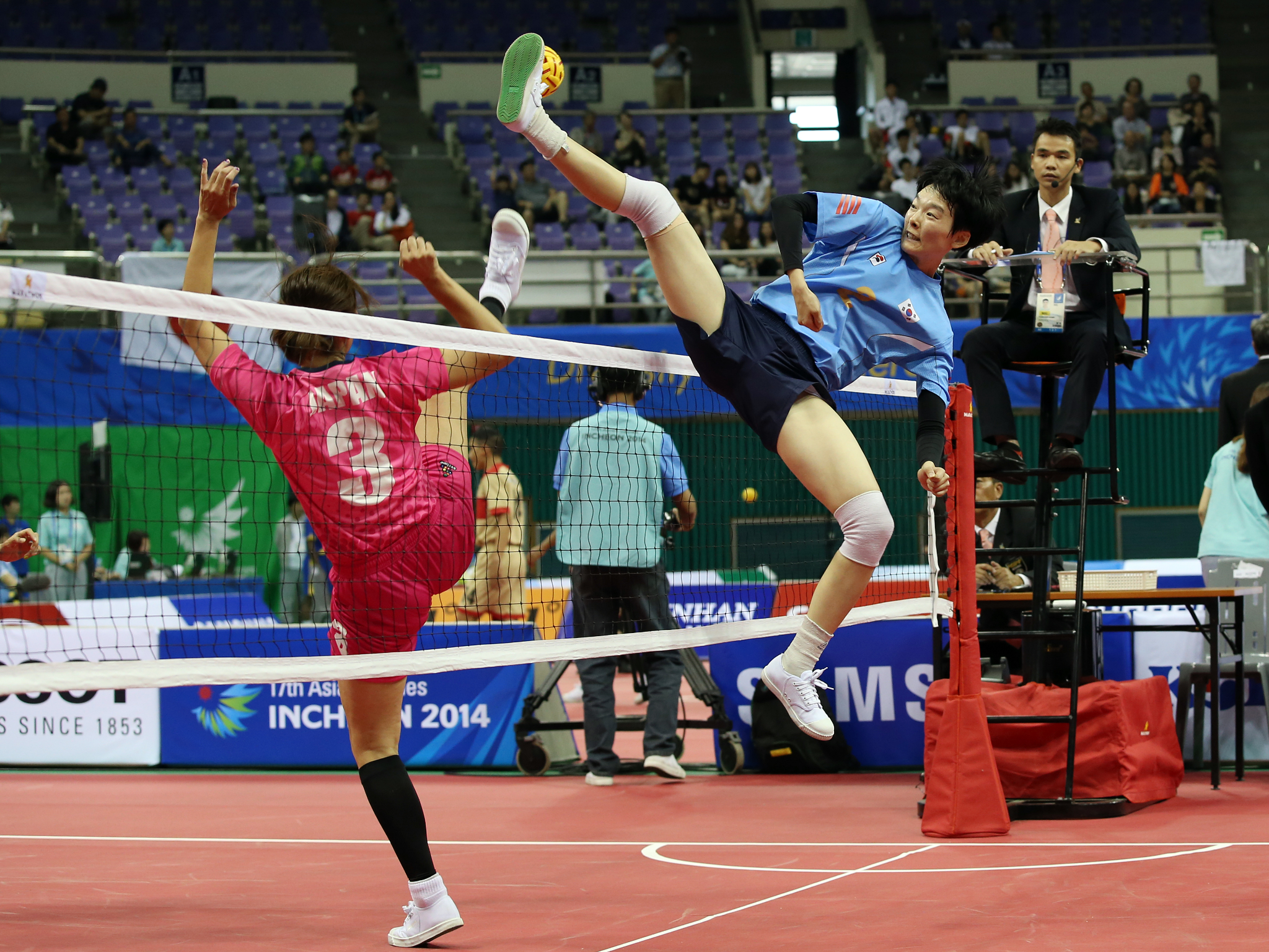
If footballers could leap like gymnasts, the result might resemble sepak takraw. Popular in Thailand, Malaysia and Indonesia, this game involves two teams of three players separated by a net approximately 1.5 metres high. The challenge is to send a small woven ball into the opponents' court without using hands or arms. Feet, knees, heads and torsos are allowed, leading to astonishing overhead kicks and aerial spikes.
Er Enish: Wrestling on Horseback
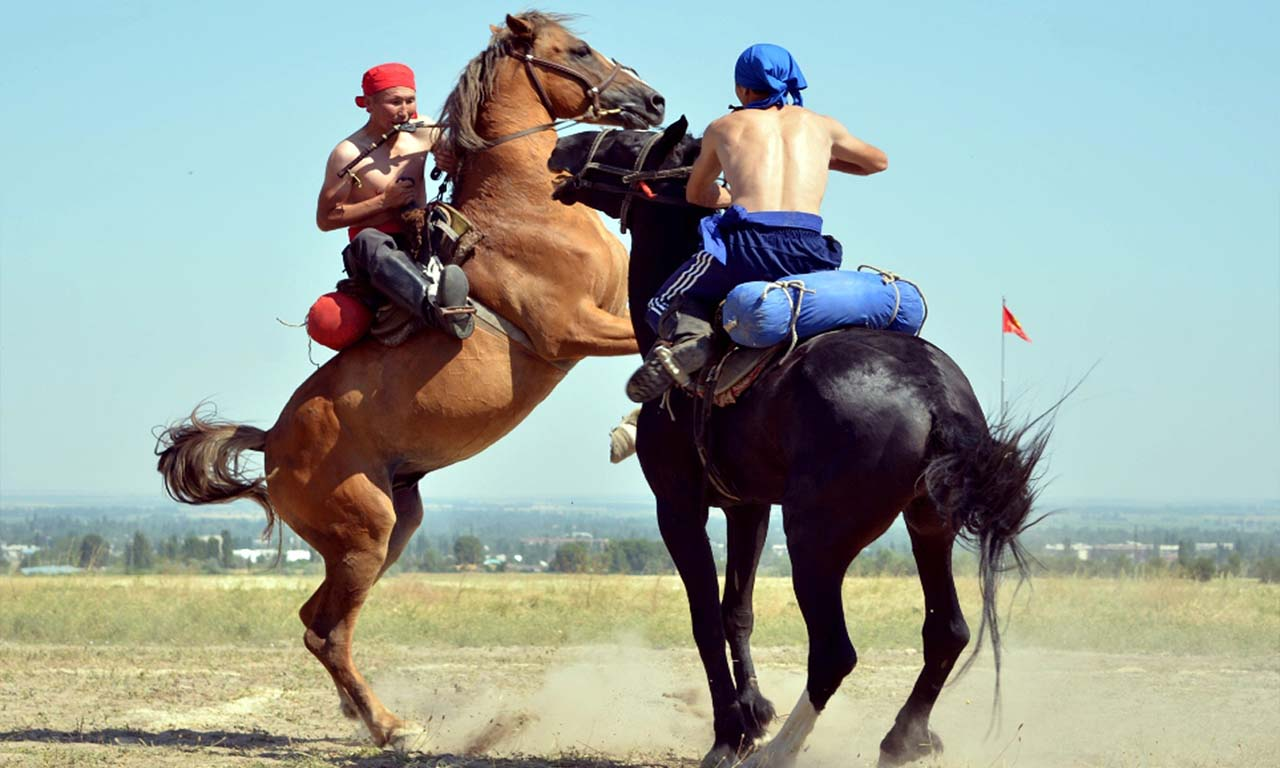
Ordinary wrestling requires strength and technique. Er Enish adds another complication: both competitors must remain on horseback. The Kyrgyz tradition places two mounted wrestlers inside a circular arena, where each tries to pull the other from the saddle. Victory typically comes when part of an opponent's body touches the ground. The horses are athletes too! They’re trained to maintain balance and respond to their riders during close contact. International competition rules prohibit dangerous moves such as kicking, striking or whipping opponents, so success depends on controlled grappling rather than uncontrolled aggression.
Sepak Bola Api: Football on Fire
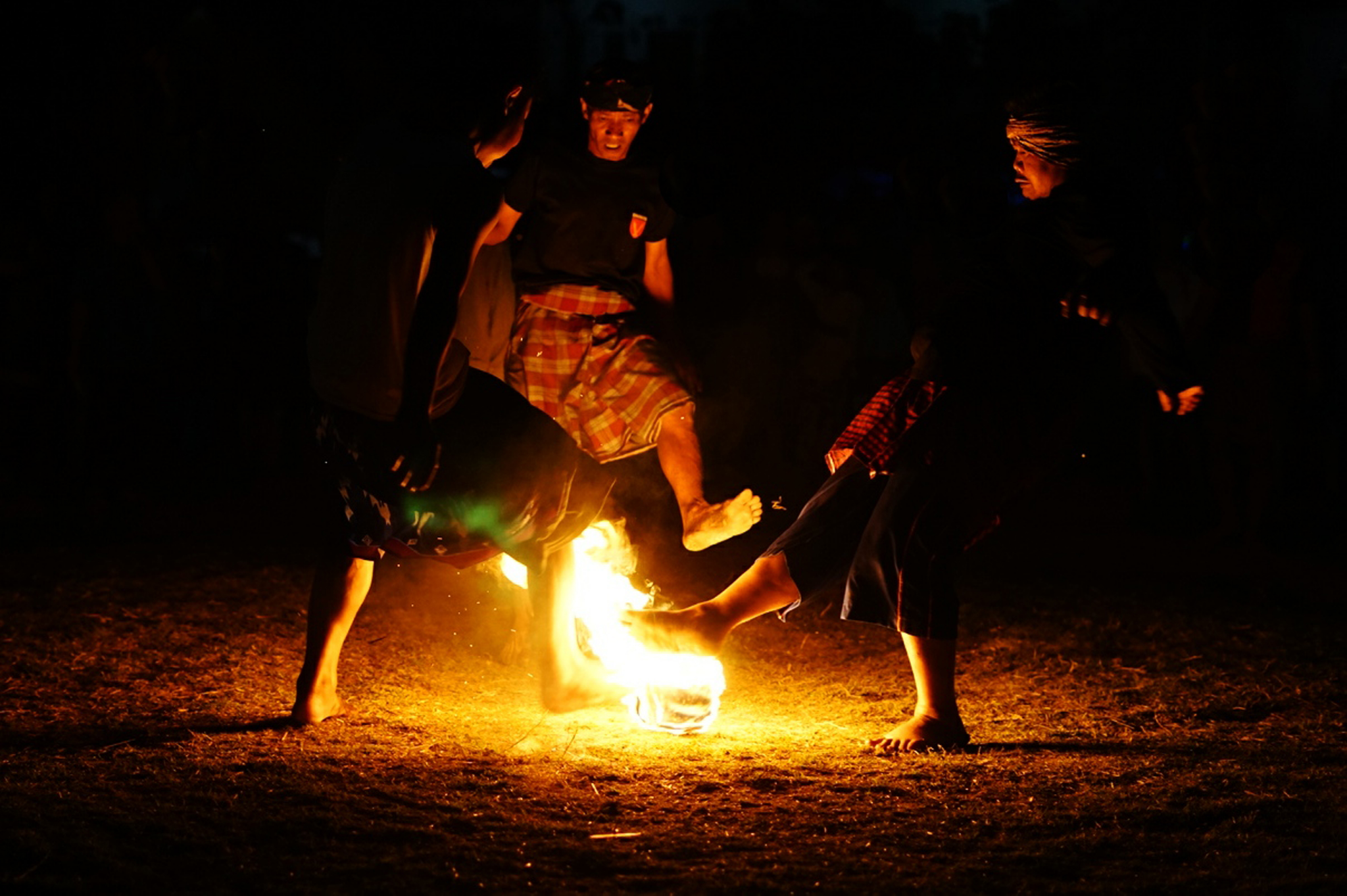
Indonesia might have invented one of the most alarming versions of football imaginable. Known as sepak bola api, or fireball football, the game replaces an ordinary football with a dried coconut soaked in kerosene and set alight. Players traditionally compete barefoot, often at night, which makes the burning coconut especially visible. The pastime appears at cultural celebrations and events associated with Islamic boarding schools in Java, including festivities around Ramadan. Organised matches can use smaller pitches and shorter periods than regular football. Needless to say, this is strictly a spectator experience for untrained visitors.
What Makes These Sports So Different?
The surprising thing about these contests is how much they reveal about the communities that created them. Buzkashi and Er Enish reflect the importance of horses in nomadic life, while kabaddi requires little equipment beyond a marked court. Sepak takraw transforms a simple ball game into an acrobatic competition, and bo-taoshi tests whether a large group can work towards one objective under pressure.
Despite their unusual appearances, these sports share familiar qualities with football, rugby and wrestling. Competitors need preparation, discipline and an understanding of their opponents. Even flaming football has established local traditions rather than existing purely as a dangerous stunt. The difference lies in the equipment, surroundings and techniques developed by generations of participants.
Can British Fans Bet on These Sports?
Finding a televised sepak takraw tournament is one thing; finding a bookmaker that offers odds on it can be considerably harder. Mainstream British sportsbooks tend to concentrate on football, horse racing, tennis and other popular markets. Kabaddi occasionally receives broader attention, but competitions such as bo-taoshi and Er Enish rarely appear on ordinary betting menus. In this case, the last resort will always be gambling websites outside of the UK. Alas, using such sites is dangerous, specifically because of:
-
No UKGC oversight or reliable complaint protection.
-
Unpaid winnings with limited dispute resolution options.
-
Unverified odds and potentially manipulated betting markets.
-
Missing GamStop exclusions and safer gambling controls.
-
Unexpected withdrawal fees and hidden currency charges.
-
Weak personal data security and identity safeguards.
-
Sudden account closures with inaccessible customer funds.
A foreign gambling licence won’t automatically authorise a bookmaker to serve customers in Great Britain. Without UKGC protection, players may struggle to recover their money or resolve disputes when something goes wrong.
Start Exploring Asian Sports!
Tournament recordings, international sporting events and documentary coverage can introduce you to the rules and the people behind each tradition. Start with a few simple steps!
-
Watch short clips from official tournaments.
-
Learn the basic rules before watching.
-
Discover the history behind each sport.
-
Compare traditional formats with modern competitions.
-
Follow teams through international sporting events.
Once you recognise the objectives, the apparent chaos becomes much easier to follow. And, of course, it’s super fun, too!
Which Asian Sport Is Most Entertaining?
Sepak takraw wins for acrobatics; bo-taoshi offers an epic display of collective effort. Kabaddi delivers rapid tactical battles, and the horseback contests preserve traditions that remain important across Central Asia. Fireball football might attract the most startled reactions as well. Oh, all of them are entertaining, aren’t they?
For those accustomed to packed football fixtures and familiar league tables, these games offer a completely different spectacle. Also, a good competition doesn't always require expensive stadiums, sophisticated equipment or internationally famous athletes. Sometimes all it takes is a woven ball, a wooden pole or a remarkably determined group of people to create a show worth watching.